
Physiotherapy
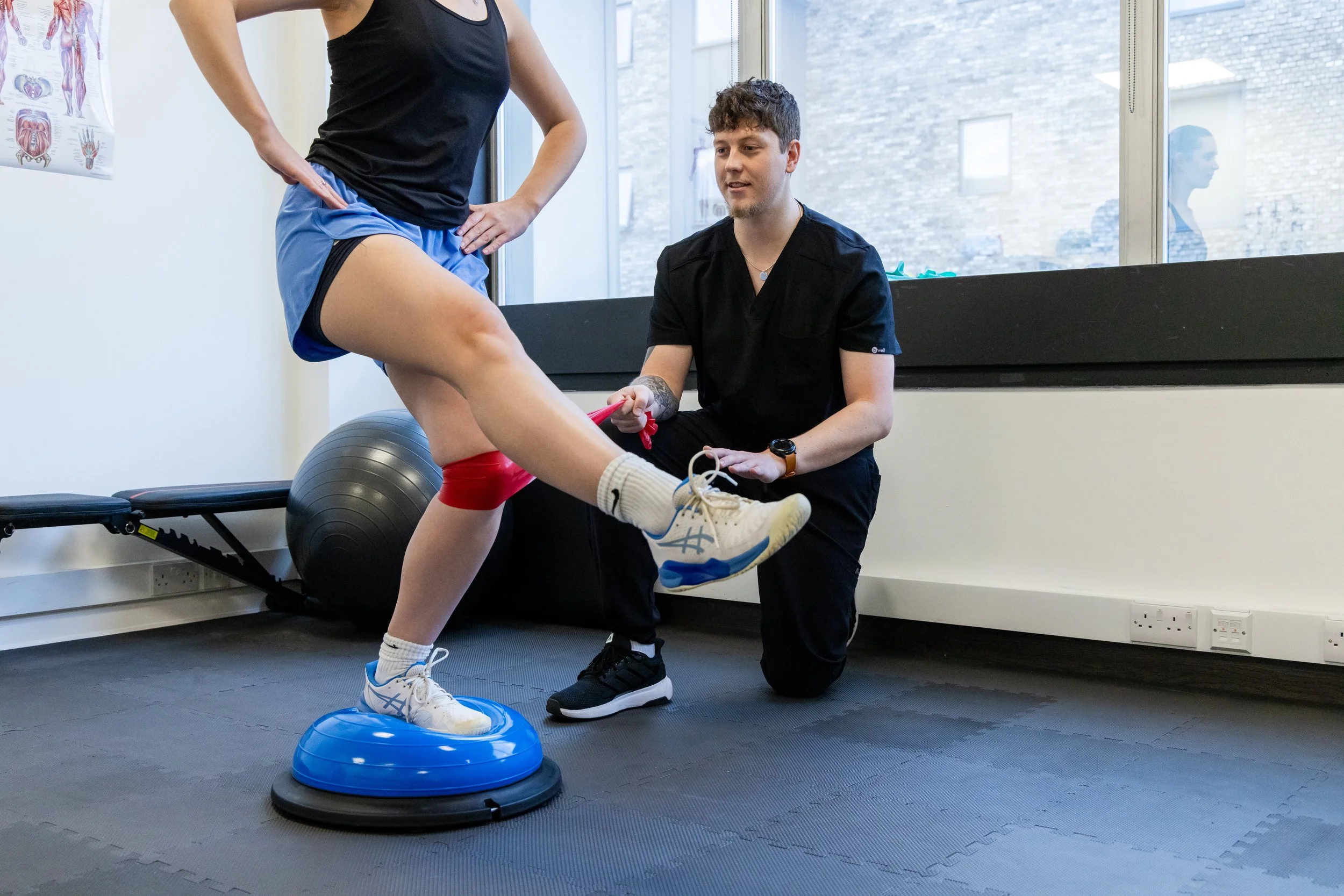
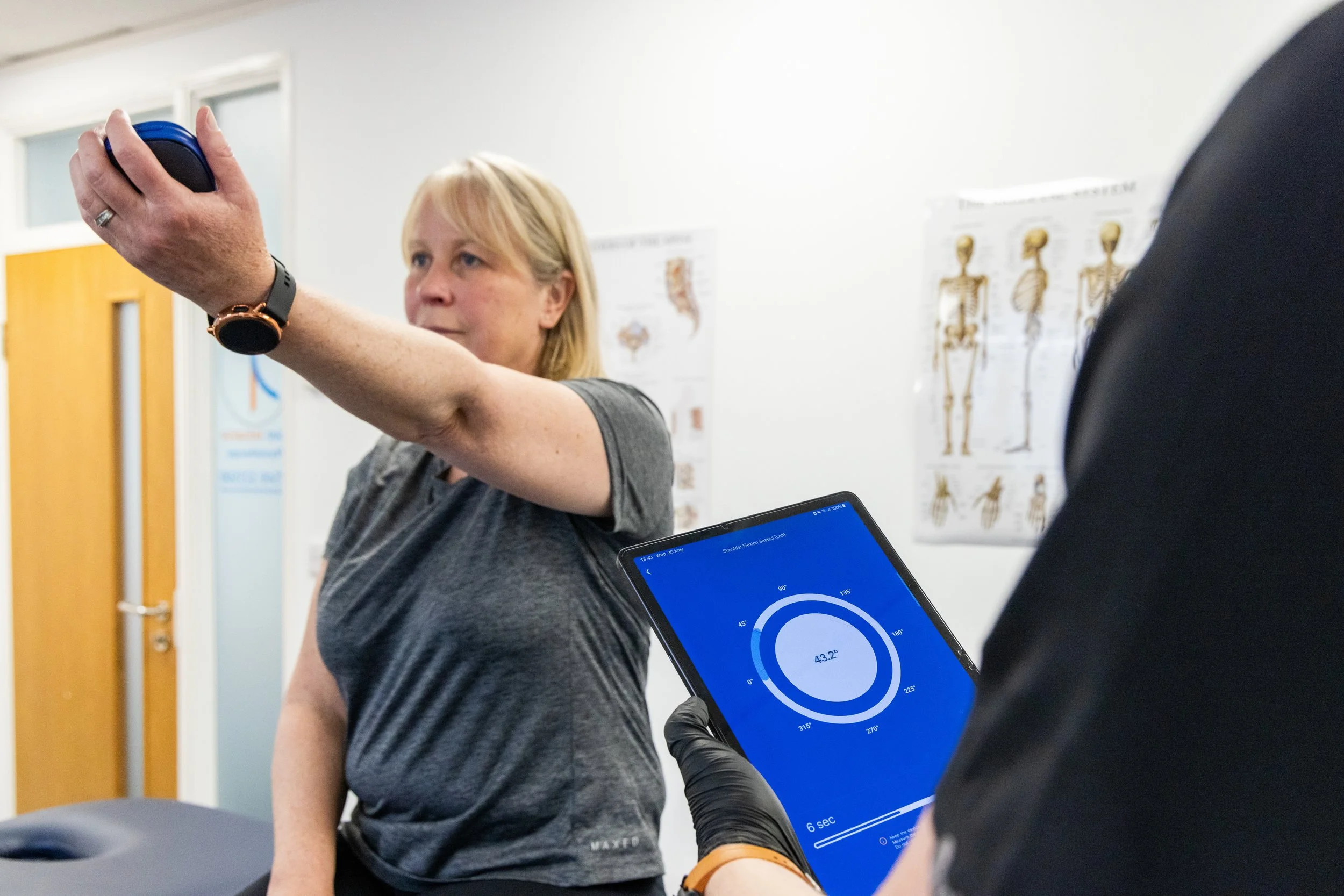
Physiotherapy helps you recover from injury, reduce pain, and improve how your body moves. Whether you’re dealing with a sports injury, postural issues, or general aches and pains, each session is tailored to your needs. Treatment may include hands-on techniques, individualised exercise plans, and advice to help you move better, build strength, and prevent future problems. Our goal is to get you back to feeling and performing at your best- in sport, work, and everyday life.
We offer professional physiotherapy with high quality care at accessible rates.
Common Conditions We Treat
Back and neck pain
Sports injuries (sprains, strains, muscle tears)
Joint injuries, including shoulder, knee, hip, and ankle pain
Tendon issues such as Achilles tendinopathy or tennis elbow
Post-surgical rehabilitation
Sciatica and nerve-related pain
Muscle imbalances and overuse injuries
Postural discomfort from work or daily activities
Arthritic pain and joint stiffness
Mobility or balance difficulties
Recovery after fractures or trauma
Persistent or recurring pain conditions
Sports screening and injury prevention
Deep Tissue & Sport Massage
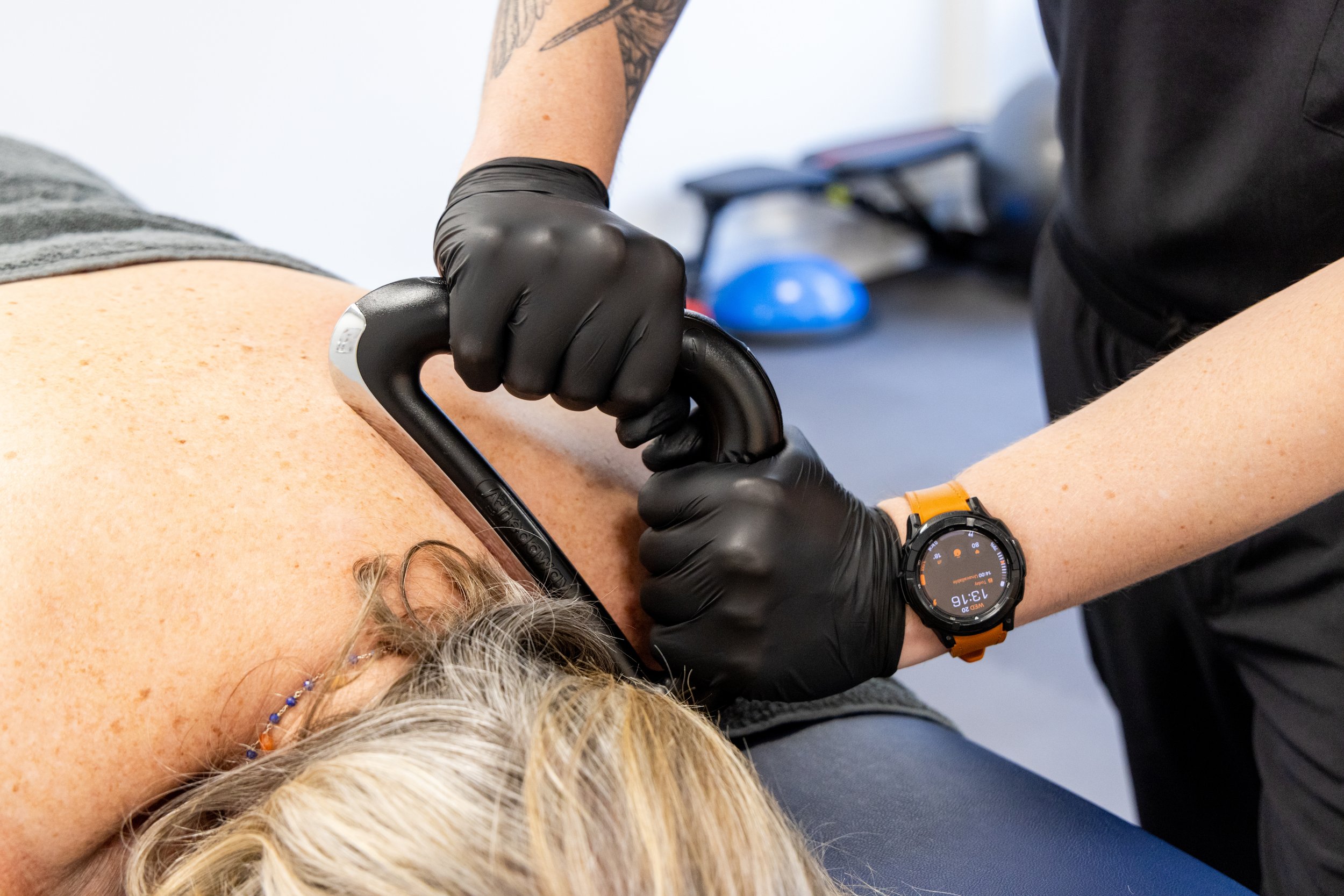
Deep Tissue & Sports massage is designed to relieve muscle tension, improve recovery, and enhance performance. It’s not just for athletes, it can benefit anyone dealing with tightness, stiffness, or fatigue. Using targeted techniques, sports massage helps increase blood flow, reduce soreness, and release deep muscle tension. Whether you’re recovering from training, managing an injury, or simply looking to feel looser and more relaxed, it’s an effective way to keep your body performing and moving comfortably.
Common Reasons People Choose Deep Tissue & Sports Massage
Tight or overworked muscles
Training-related soreness or fatigue
Reduced flexibility or stiffness
Muscle knots and areas of deep tension
Recovery after gym sessions, running, or sports
Preparation before sport or competition
Support during injury rehabilitation
Desk-related muscle tightness (neck, shoulders, back)
Improved circulation and general mobility
Stress-related muscular tension
Sport & Kinesio Taping
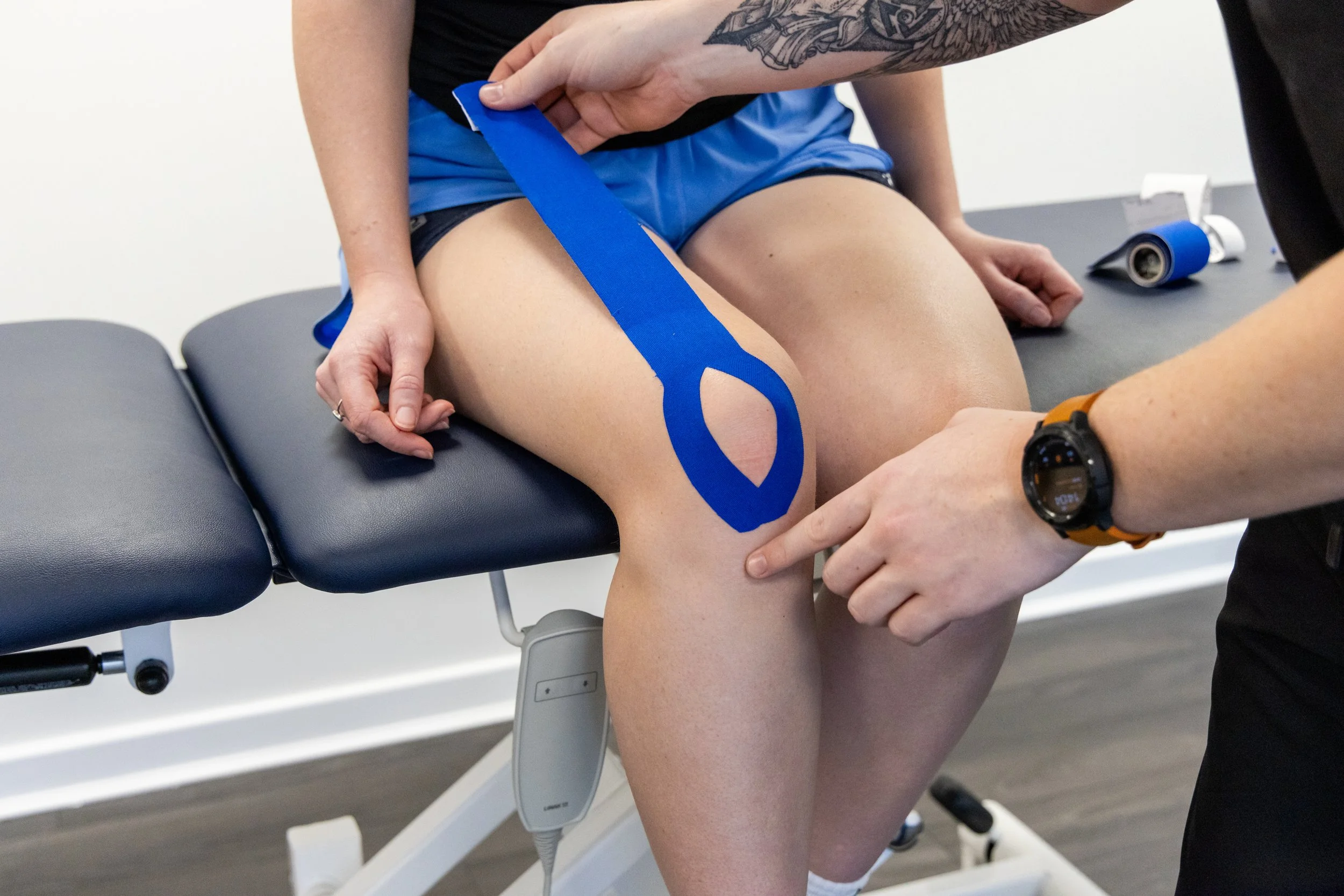
Sports and Kinesio taping are used to support injured or overworked muscles and joints without limiting your movement. Taping can help reduce pain, improve stability, and assist with recovery. Whether you’re returning from injury, competing, or preventing strain, it’s also a great way to boost body awareness and confidence during activity. Each application is customised to your needs, ensuring comfort and effective support for your performance and recovery.
Common Uses for Sports & Kinesio Taping
Supporting muscles and joints during activity
Reducing strain on irritated or healing tissues
Managing swelling or mild inflammation
Enhancing movement awareness and posture
Improving confidence during return to sport
Providing extra stability for ankles, knees, or shoulders
Assisting technique correction during exercise
Reducing discomfort during daily or repetitive tasks
Supporting overused areas during training loads
Helping maintain movement between physiotherapy sessions
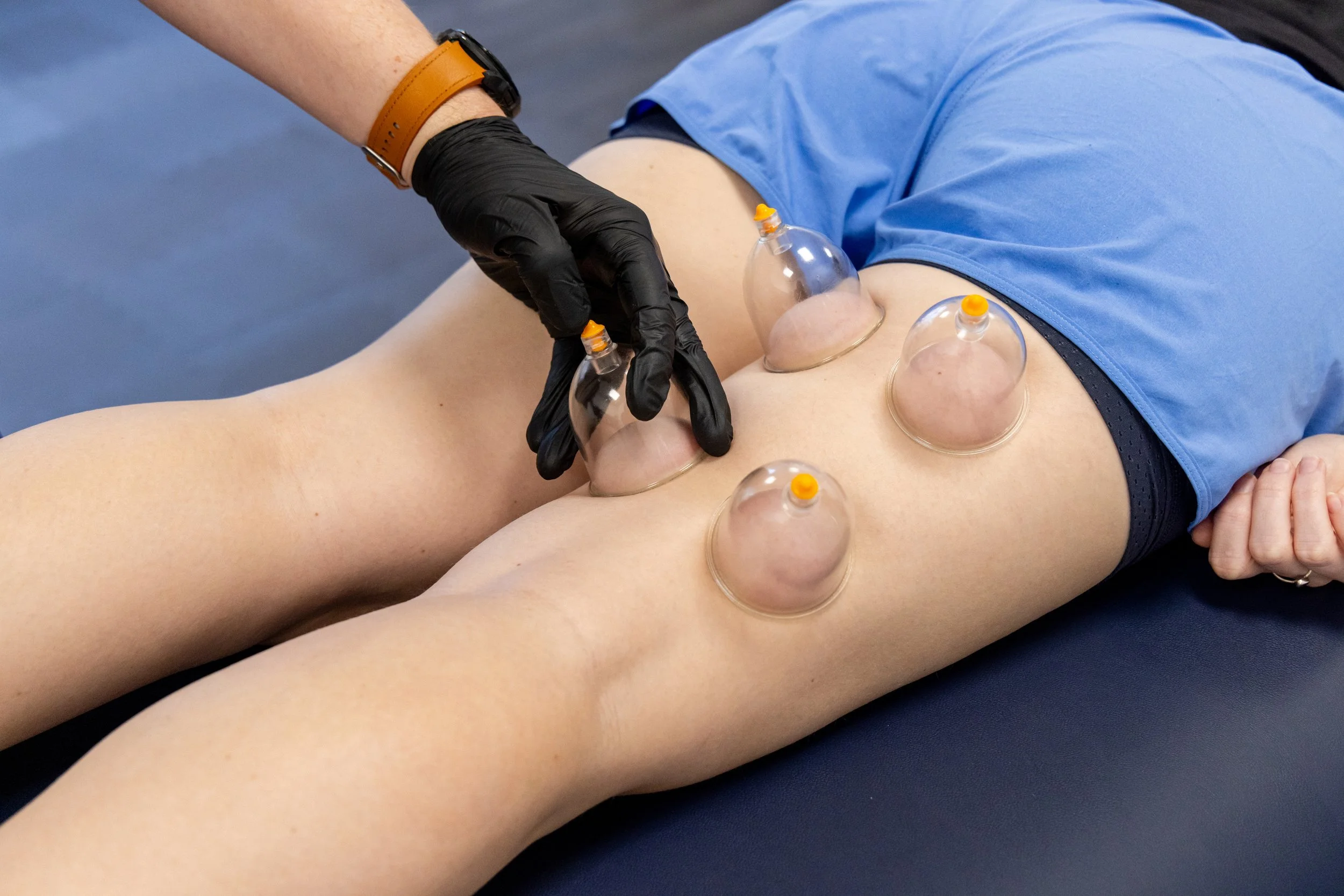
Cupping Therapy
Dry cupping is a hands-on technique used to reduce muscle tension, improve circulation, and promote recovery. Using gentle suction, the cups lift the soft tissues to release tight areas, improve blood flow, and encourage the body’s natural healing response. Cupping can help ease discomfort, reduce stiffness, and enhance mobility. Whether you’re managing training-related tightness, recovering from injury, or looking for a deeper release than massage alone, cupping is an effective option to restore comfortable, healthy movement.
Common Reasons People Choose Cupping Therapy
Tight or restricted muscles
Deep muscle tension that doesn't respond fully to massage
Reduced mobility or stiff areas
Training-related soreness
Localised knots or trigger points
Persistent tension in the back, neck, or shoulders
Recovery after intense exercise or sport
Improving circulation to aid tissue healing
Managing chronic or recurring tightness
Supporting overall recovery between physiotherapy sessions